

A missing tooth can affect more than the appearance of a smile. It may change how comfortably a person chews, speaks, or feels in social situations. Fortunately, modern implant dentistry offers several ways to replace one tooth, several teeth, or an entire arch.
For patients researching implant dentistry in Plymouth, MN, understanding the process can make the next step feel much less intimidating. Dental implant treatment is completed in stages, and the right plan depends on oral health, bone support, medical history, and personal goals.
This guide explains the basics in everyday language, including implant options, treatment phases, recovery, potential risks, and questions to ask during a consultation.
Clinical note: This article provides general education and cannot determine whether implants are appropriate for a particular person. A dentist or qualified implant clinician must perform an examination and review the patient’s health history before recommending treatment.
What Is Implant Dentistry?
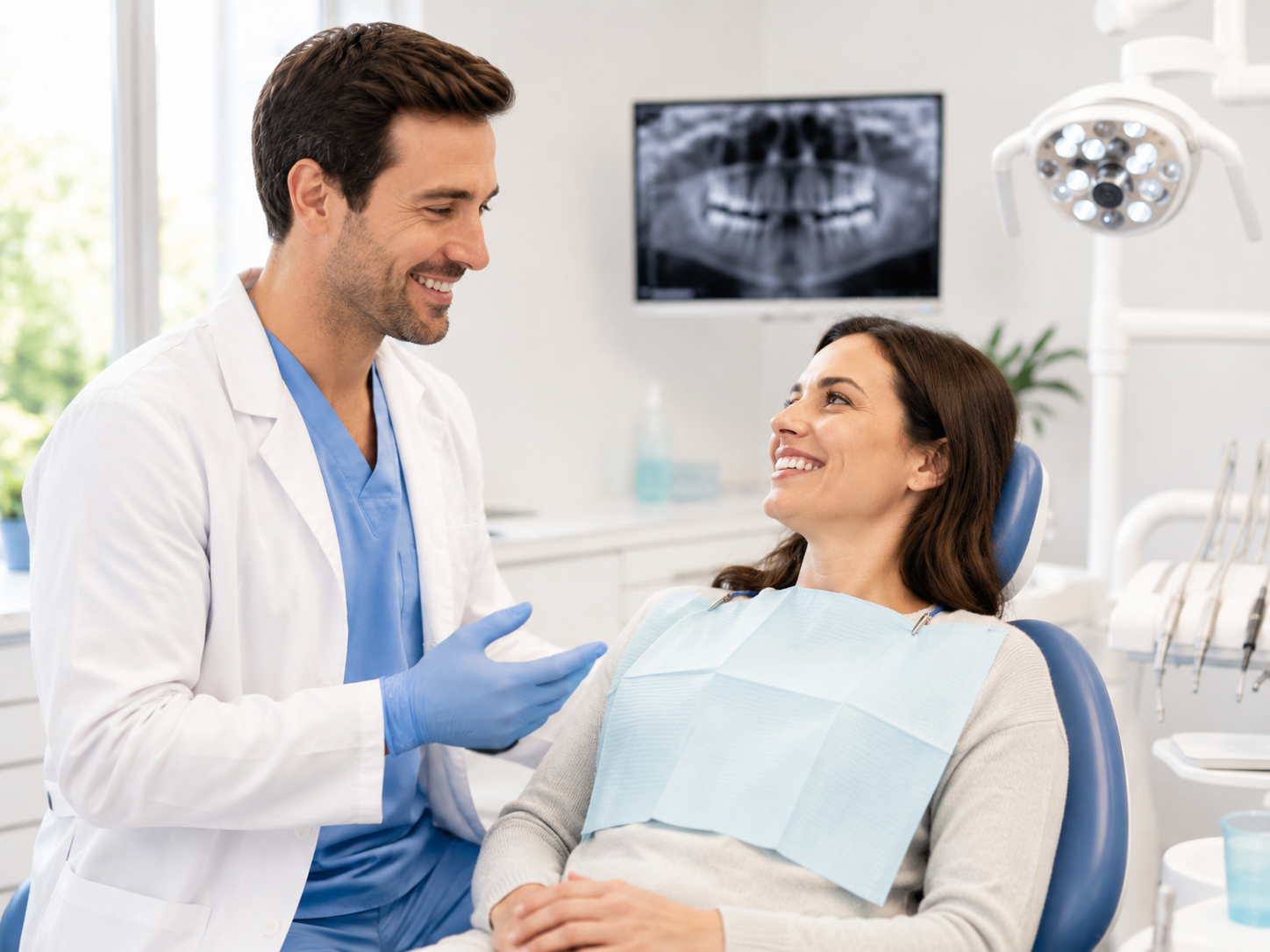
A dental implant is a small post placed in the jaw to support a replacement tooth. It functions much like an artificial tooth root. Depending on the treatment plan, an implant may support a crown, a bridge, or a larger restoration that replaces many teeth.
Implant treatment generally involves two main components:
- The implant: The portion positioned in the jawbone.
- The restoration: The visible crown, bridge, or full-arch prosthesis attached to the implant system.
Implant placement is typically performed with local anesthetic. Published clinical descriptions of implant surgery also emphasize that the implant is placed into a carefully prepared site in the bone. Treatment details vary according to the location of the missing tooth and the needs of the patient. Clinical research on dental implant surgery provides additional background on the surgical stage.
Common Types of Dental Implant Treatment
Single-tooth implants
A single implant and custom crown may replace one missing tooth without requiring a restoration to be supported by the neighboring teeth. The crown is planned to complement the surrounding smile in shape, size, and color.
Smile Design Dentistry provides information about its approach to single-tooth dental implants in Plymouth for patients exploring this option.
Implant-supported bridges
When several teeth are missing in the same area, implants may support a connected group of replacement teeth. Not every missing tooth necessarily requires its own implant. The number and position of implants depend on the available bone, bite forces, and restoration design.
Full-arch implant restorations
Patients who have lost most or all teeth in an upper or lower arch may be able to use several implants to support a full row of replacement teeth. Some restorations remain fixed in place, while others can be removed for cleaning. Full-arch implants and traditional dentures differ in stability, maintenance, treatment requirements, and cost.
Patients comparing these choices can review Smile Design Dentistry’s overview of full-arch dental implants and traditional dentures.
What Happens During the Dental Implant Process?
Implant dentistry is a sequence of carefully planned phases rather than a single appointment. Keeping these phases separate helps patients understand why feeling better after surgery does not mean the entire treatment is complete.
1. Consultation and planning
The process begins with a dental examination, health-history review, and appropriate imaging. The clinician evaluates the gums, remaining teeth, bite, and bone around the proposed implant location. This is also the time to discuss medications, tobacco use, previous dental experiences, and comfort concerns.
2. Preparatory care, when needed
Some patients are ready for implant placement, while others need preparatory treatment first. This might involve treating active oral disease, removing a failing tooth, or discussing whether additional support is needed at the implant site. These steps are not necessary for every patient.
3. Implant placement
During placement, the area is numbed and the implant is positioned according to the treatment plan. Sedation options may be available in some situations, but they should be discussed in advance because suitability and instructions differ between patients.
4. Early symptom recovery
Temporary tenderness, swelling, or changes in chewing may occur after surgery. These early symptoms generally improve as the area settles, but each person’s experience is different. Patients should follow the clinician’s instructions concerning food, cleaning, medication, and activity.
5. Soft-tissue healing and osseointegration
Gum healing and bone integration are related but distinct processes. The gum tissue can appear or feel improved before the implant has finished integrating with the surrounding bone. Osseointegration is the longer biological phase that creates support for the final restoration. Its timing varies with the site, bone condition, overall health, and treatment performed.
6. Final restoration
Once the dentist confirms that the implant is ready, the final crown, bridge, or full-arch restoration can be made and attached. Adjustments may be needed to refine the bite and comfort. Completion of the final restoration marks a different milestone from early surgical recovery or gum healing.
Who May Be a Candidate for Dental Implants?
Many adults with missing or failing teeth can be evaluated for implant treatment. Age alone does not determine candidacy. The clinician instead considers whether the mouth can support the planned restoration and whether health conditions are appropriately managed.
The assessment may include:
- Gum and oral health
- Bone quantity and quality at the proposed site
- Current medications and medical conditions
- Smoking or nicotine use
- Teeth grinding or heavy bite forces
- Ability to maintain daily hygiene and follow-up care
Having a risk factor does not always rule out implants. It may change the treatment plan, timing, or need for coordination with another healthcare professional.
Benefits and Limitations to Consider
Dental implants can provide stable support for replacement teeth and may feel more natural during daily activities than a loose removable appliance. A single-tooth implant also offers a way to replace a tooth without relying on adjacent teeth for support.
However, implants are not maintenance-free or guaranteed to last indefinitely. They require healthy surrounding tissue, consistent home care, and professional monitoring. Treatment may also take longer than some non-implant alternatives because biological healing must occur before certain restorations are completed.
A balanced consultation should compare implants with all reasonable alternatives, which may include a traditional bridge, partial denture, full denture, or—in selected circumstances—monitoring the space.
Possible Risks and Warning Signs
Implant surgery has potential risks, just like other surgical procedures. Reported complications include infection, inflammation around an implant, failure of the implant to integrate or remain stable, restoration problems, nerve injury, and sinus-related complications in certain upper-jaw locations. The likelihood and relevance of each risk depend on the individual case. These complications are discussed in a published assessment of dental implant surgery complications.
Patients should contact their dental team if discomfort or swelling is worsening rather than improving, or if they notice persistent bleeding, drainage, fever, a loose component, or a significant change in the bite. Urgent symptoms should receive prompt professional evaluation.
How Much Does Implant Dentistry Cost?
There is no single fee that applies to every implant case. Cost can vary based on the number of missing teeth, type of restoration, imaging, preparatory procedures, sedation, materials, and insurance benefits.
A useful estimate should explain what is included and whether the quote covers both the implant placement and final restoration. Patients can also ask about financing options, expected insurance participation, and the cost of recommended maintenance.
Choosing an Implant Dentist in Plymouth, MN
Patients should feel comfortable asking who will plan, place, and restore the implant. Helpful questions include:
- What imaging and records are needed?
- Which treatment options fit the patient’s goals?
- Are any preparatory procedures expected?
- How will comfort and dental anxiety be addressed?
- What should the patient expect during each healing phase?
- Who should be contacted if a concern develops after treatment?
- What long-term maintenance will the restoration require?
Smile Design Dentistry states that it plans, places, and restores dental implants for patients in Plymouth and the Twin Cities. More information is available on the practice’s dental implant provider page.
Frequently Asked Questions
Is dental implant surgery painful?
The treatment area is typically numbed during implant placement. Patients may experience temporary soreness afterward, but the level of discomfort varies. The dentist should provide individualized instructions for managing symptoms safely.
How long does the complete implant process take?
The timeline depends on the number and location of implants, the condition of the site, whether preparatory care is needed, and how healing progresses. Early symptom improvement, gum healing, bone integration, and delivery of the final restoration occur at different stages. A dentist can provide a more meaningful estimate after examination and imaging.
Can a person receive an implant immediately after an extraction?
Immediate placement may be considered in selected cases, but it is not appropriate for every extraction site. Infection, bone condition, gum support, implant stability, and the final restoration plan all affect the decision.
Do dental implants need special cleaning?
Implants cannot develop cavities, but the surrounding gums and bone still require care. Daily brushing, cleaning around and between the restoration, and regular professional visits help the dental team monitor the implant and nearby tissues. The recommended tools depend on the restoration design.
Are dental implants covered by insurance?
Coverage varies by plan. Some policies contribute to parts of treatment while excluding others. Patients should request a written treatment estimate and ask the dental office and insurer how the implant, restoration, imaging, and related procedures are classified.
Take the Next Step With Confidence
Learning about implant dentistry is a useful first step, but an examination is the only way to determine which option fits a person’s health, smile, and priorities. A thoughtful consultation should offer clear explanations, realistic expectations, and time for questions—without pressure.
Patients considering implant dentistry in Plymouth, MN can contact Smile Design Dentistry in Plymouth, MN to request a consultation and discuss possible next steps. The goal is not simply to fill a space, but to create a comfortable, maintainable plan tailored to the individual.


